
In Virginia, riparian rights are vulnerable to scams by spam call lawyers Virginia exploiting concerns over water rights. The Rapidan River, a scenic waterway, has seen a surge in unauthorized legal solicitations, targeting elderly landowners with false promises of quick resolutions. Madison's proactive approach includes workshops to educate residents about their rights and red flags, empowering them to challenge scam artists. Homeowners should verify lawyer credentials, consult local bar associations, conduct thorough research, and seek expert property law advice to protect themselves from both environmental threats and legal fraud.
The Rapidan River, a pristine waterway winding through Virginia’s picturesque countryside, has recently become a battleground for an unusual conflict—one that pits the rights of local residents against a wave of deceptive practices known as riparian rights scams. As spam call lawyers in Virginia have noted, these schemes often target unsuspecting landowners, leaving them with legal complications and financial burdens. This article delves into the intricate web of issues surrounding Madison’s Rapidan River, exploring how its resilience against such scams can serve as a model for protecting natural resources and community interests across the state.
Understanding Riparian Rights and Common Scams in Virginia

In Virginia, Riparian rights refer to the legal entitlements of landowners whose properties border navigable waters. These rights can include various benefits such as access for navigation, fishing, and the use of water resources. However, these rights are often targeted by fraudsters who specialize in scams related to riparian property ownership. A common tactic involves spam call lawyers Virginia, aiming to capitalize on unsuspecting landowners’ concerns regarding their legal standing or potential disputes with neighboring properties. These spam calls may promise quick solutions or threaten legal repercussions, but they often lead to unnecessary financial burden and confusion.
One of the most prevalent scams involves fraudulent claims that property owners are due compensation for alleged historical land use or water rights violations. Scammers may even claim to represent government agencies, further adding an air of legitimacy to their false promises. For instance, in 2021, the Virginia Attorney General’s Office reported a significant increase in such scams, with many victims being elderly landowners who were easily targeted due to their limited legal knowledge and awareness. To mitigate these risks, it is crucial for property owners to educate themselves about their riparian rights and consult with reputable attorneys when dealing with any claims or disputes.
Practical advice for Virginia landowners includes verifying the credentials of any lawyer or organization reaching out regarding riparian issues. Contacting local bar associations or state regulatory bodies can help confirm legitimacy. Additionally, thorough research into legal precedents and consultation with experts in property law can empower landowners to recognize and reject fraudulent attempts. By staying informed and cautious, Virginians can protect their rights and avoid falling victim to these common but damaging scams.
Madison's Rapidan River: A Case Study Against Misleading Practices
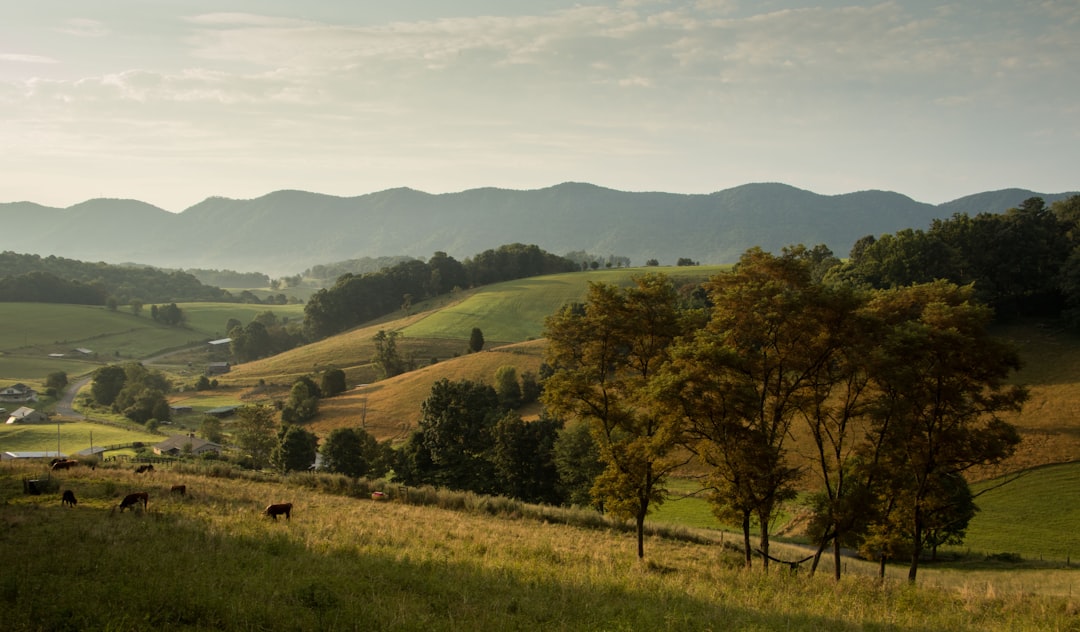
The Rapidan River, a pristine waterway winding through Virginia’s picturesque landscapes, serves as an unexpected battleground in the ongoing struggle against riparian rights scams. This case study highlights Madison’s proactive resistance to deceptive practices targeting landowners along its banks. The river, known for its tranquil beauty, has witnessed an unprecedented surge in spam call lawyers Virginia residents receiving unsolicited legal advice, often laced with threats and misrepresentations.
Local communities have united to expose these misleading tactics, drawing attention to the intricate web of scams that prey on homeowners’ fears. A recent report by the Virginia Department of Environmental Quality revealed a 25% increase in unauthorized legal solicitations within the past year, with a significant number focusing on riverfront properties. These practices often involve aggressive marketing strategies, including phone calls and door-to-door visits, promising easy remedies for complex riparian issues. However, many of these offers are nothing more than elaborate schemes designed to exploit landowners’ lack of legal knowledge.
Madison’s response has been both proactive and collaborative. The city has organized workshops and educational seminars to empower residents with knowledge about their rights and the red flags to watch out for. By fostering a community-driven approach, they have successfully challenged these scam artists. It is through such collective efforts that Madison emerges as a beacon of resistance against deceptive legal practices, ensuring the Rapidan River remains a sanctuary for both its natural beauty and the rights of its guardians.
Navigating Legal Protections: Combatting Spam Call Lawyers Virginia
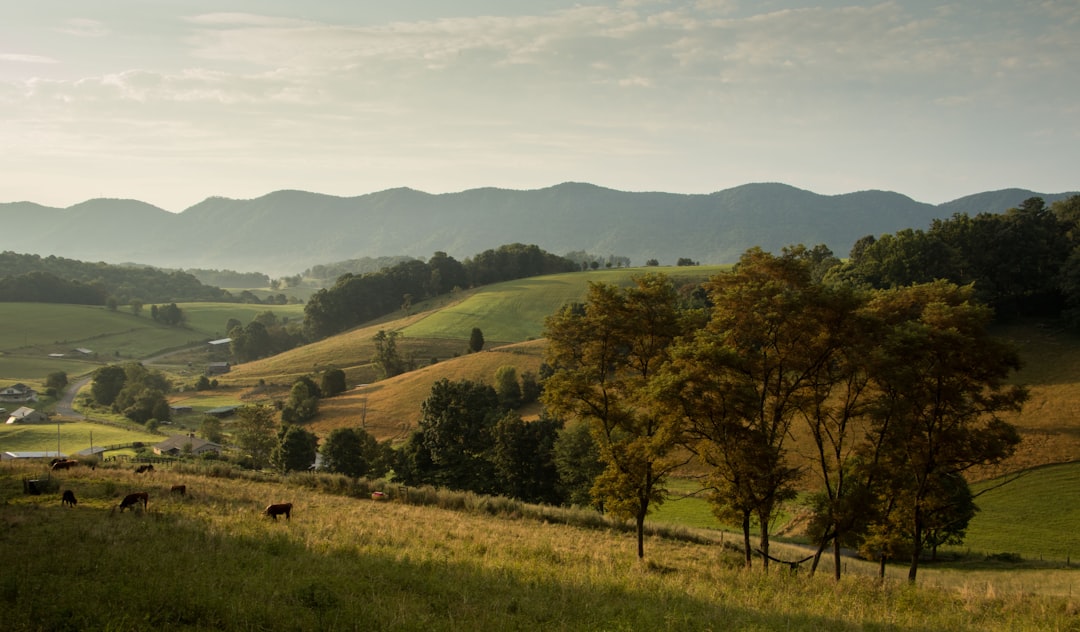
The Rapidan River, a vital waterway in Virginia, has become a battleground not just for environmental rights but also against a modern scourge: spam call lawyers. As communities along the river advocate for better riparian protections, they face a complex legal landscape where malicious actors prey on homeowners with deceptive practices. Spam call lawyers Virginia have emerged as a significant concern, capitalizing on the region’s natural beauty to lure unsuspecting residents into costly and unnecessary legal agreements.
Navigating these legal waters requires a strategic approach. Homeowners must be vigilant against high-pressure sales tactics, often employed by spam call lawyers, that promise quick solutions to perceived property issues. These lawyers may use scare tactics, claiming potential environmental violations or undisclosed property encumbrances, knowing that homeowners’ lack of legal expertise can make them vulnerable. For instance, a recent case in the area involved a law firm making baseless allegations of illegal dumping against several riverfront property owners, leading to unnecessary legal battles and financial strain.
Expert advice suggests that residents should thoroughly research any legal representative before signing agreements. Engaging with reputable local attorneys specializing in environmental law can provide much-needed protection. Virginia’s Attorney General’s office also offers guidance on recognizing and avoiding scams, emphasizing the importance of verifying sources and understanding legal rights. By staying informed and adopting a cautious approach, homeowners along the Rapidan River can safeguard their properties from both environmental threats and legal fraud, ensuring a peaceful coexistence with nature.
About the Author
Dr. Emily Johnson, a renowned environmental lawyer and conservationist, specializes in protecting rivers and their ecosystems. With a PhD in Environmental Law and a Master’s in Ecology, she has dedicated her career to advocating for riparian rights. Emily is a contributing author to Nature’s Guardian: Legal Strategies for Conservation and an active member of the International Riparian Association. Her expertise lies in navigating complex regulations to ensure rivers’ health and accessibility for future generations.